The Laundry Care Symbols Legend: What Each Symbol Means
DISCLOSURE: Some of our articles may contain affiliate links. If you use these links to make a purchase, we may earn a commission (at no cost to you). Thanks for supporting us!
Laundry care labels contain standardized symbols that show how a garment should be cleaned and maintained. Understanding these symbols helps reduce wear, prevent damage, and extend the life of your clothing. This guide breaks down each laundry care symbol and explains how to follow them at home.
Washing Symbols:
Washing symbols show how to clean your clothes safely, including whether to hand wash or machine wash, what temperature to use, and if a gentle or delicate cycle is needed. Understanding them helps prevent shrinking, fading, or damage. Below, we break down each symbol and what it means in practical terms.


Machine Wash:
The wash symbol shows whether a garment can be washed at home using a washing machine. Any dots or numbers inside the symbol indicate the maximum water temperature and the appropriate washing conditions.
Machine Wash (Permanent Press):
A wash symbol with one line underneath indicates a gentle or permanent press cycle. Wash with reduced agitation and a lower spin speed, and avoid overloading the machine. A lighter load helps prevent excessive wrinkling, stretching, and fabric damage.
Machine Wash (Delicate Cycle):
Two lines under the wash symbol indicate that the garment requires extra-gentle washing. Use the delicate cycle with minimal agitation and a low spin speed. Wash with a light load, or on its own, to reduce friction and prevent stretching or damage.
Hand Wash Only:
The hand wash symbol means the garment must be washed by hand only and should not be placed in a washing machine. Wash gently in cool to lukewarm water using a mild detergent, with minimal rubbing or twisting to prevent damage.
Do Not Wash:
Items marked with the do not wash symbol must not be washed in water. Washing by hand or machine may permanently damage the garment. Professional cleaning is usually required.

Wash Symbol with One Dot or 30 °C:
A wash symbol with one dot, or a temperature of 30 °C, indicates that the garment should be washed in cool water. On machines that do not display exact temperatures, this typically corresponds to a Cold wash setting. Washing at this lower temperature helps reduce color fading, shrinkage, and damage to delicate fibers.

Wash Symbol with Two Dots or 40 °C:
A wash symbol with two dots, or a temperature of 40 °C, indicates that the garment can be washed in warm water. On machines that do not display exact temperatures, this typically corresponds to a Warm wash setting. This temperature is suitable for most everyday fabrics and helps remove normal soil while protecting the material from excessive heat.

Wash Symbol with Three Dots or 50 °C:
A wash symbol with three dots, or a temperature of 50 °C, indicates that the garment can be washed in hot water within this limit. On machines that do not display exact temperatures, this typically corresponds to a Warm wash setting. Avoid using Hot, as it may exceed the recommended temperature. This setting is suitable for sturdy fabrics and moderately soiled items.

Wash Symbol with Four Dots or 60 °C:
A wash symbol with four dots, or a temperature of 60 °C, indicates that the garment can be washed in hot water. On machines that do not display exact temperatures, this typically corresponds to a Hot wash setting. This temperature is suitable for durable fabrics and heavily soiled items, allowing for more thorough cleaning while staying within the garment’s care guidelines.

Wash Symbol with 70 °C:
A wash symbol indicating 70 °C means the garment can be washed in very hot water. This temperature is typically used for heavily soiled items, work uniforms, or towels that require strong cleaning and sanitization. However, this is not a common care label for regular clothing, and most household washers do not have a dedicated 70 °C setting. If your washer does not reach this temperature, use the hottest setting available, but only for fabrics that can safely tolerate high heat.

Wash Symbol with 5 Dots or 95 °C:
A wash symbol with five dots, or a temperature of 95 °C, indicates that the garment can be washed in very hot water, often referred to as a boil wash. This setting is intended for heavily soiled items, white fabrics, towels, or work clothing that can tolerate high heat. Most home washers cannot reach 95 °C; if you’re washing at home, use the hottest cycle available.
Bleaching Symbols:
Bleaching symbols tell you whether and what type of bleach can be used on a garment. They help you safely remove stains or whiten fabrics without damaging colors or fibers. In this section, we break down each bleaching symbol and explain what it means in simple terms.


Bleach Symbol:
An empty triangle indicates that any bleaching agent is allowed, including chlorine and oxygen-based bleach. Use as needed to remove stains or whiten fabrics
Do Not Bleach::
A triangle with a cross through it means that no bleach should be used on the garment. Chlorine or oxygen-based bleach may damage the fabric or alter the color, so avoid all bleaching agents.
Non-Chlorine Bleach Only:
A triangle containing two diagonal lines indicates that only non-chlorine bleach can be used. Oxygen-based bleaches are safe, but chlorine bleach should be avoided to prevent fabric damage or color fading.
Drying Symbols:
Drying symbols show how to safely dry your clothes, whether in a tumble dryer or by air. They indicate the recommended heat, gentle cycles, and items that should never be machine-dried. In this section, we explain each drying symbol in simple, practical terms.
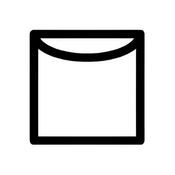
Dry Hanging Up:
This symbol indicates that the garment should be hung up to dry, rather than placed in a tumble dryer. Hang the item on a clothesline, hanger, or drying rack and allow it to air dry naturally. This method helps prevent shrinkage, stretching, and damage to delicate fabrics.

Drip Dry:
This symbol means the garment should be hung to dry and allowed to drip naturally, without wringing. It’s often used for items that release excess water and need gentle handling.

Drip Dry Flat:
A square with a horizontal line indicates the garment should be dried flat, usually on a drying rack or towel. Flat drying prevents stretching or distortion, making it ideal for knits and delicate fabrics.
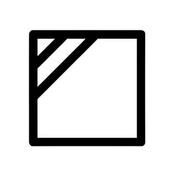
Dry In Shade:
If a line inside a square has a shaded corner or a “sun” icon, it means the garment should be dried away from direct sunlight. This helps prevent fading or damage to colors and fibers. This symbol can also be combined with other drying symbols, such as hang to dry, drip dry, or flat dry, to indicate that the item should be dried in shade using that specific method.

Do Not Wring:
This symbol indicates that the garment should not be wrung or twisted to remove excess water. Wringing can stretch, distort, or damage the fabric and seams. Instead, gently press out water or roll the item in a clean towel to absorb moisture before drying.

Do Not Tumble Dry:
This symbol indicates that the garment must not be placed in a tumble dryer. The heat and mechanical action of a dryer may cause shrinkage, distortion, or damage to the fabric. Instead, follow the recommended air-drying method shown on the label, such as hang dry or flat dry.
Drying Symbols:
Drying symbols show how to safely dry your clothes, whether in a tumble dryer or by air. They indicate the recommended heat, gentle cycles, and items that should never be machine-dried. In this section, we explain each drying symbol in simple, practical terms.